Incentives + Rebates
What you can
actually claim today
Solar incentives in BC changed a lot in the last two years. Some well known programs have closed. Here is exactly what is on the table right now.
BC Hydro solar and battery rebate
The single biggest incentive on the table for BC homeowners, and the two halves stack.
BC PST exemption
Solar photovoltaic panels are exempt from provincial sales tax, along with the inverters, wiring and controllers bought as part of the same system.
It applies to homes and businesses alike, and it is already netted out of every quote we write.
Clean technology investment tax credit
Up to 30% of eligible solar and storage equipment back for taxable Canadian corporations. Runs through 2033, then it steps down.
Immediate expensing on equipment
Class 43.1 clean energy equipment acquired since 1 January 2025 gets a full 100% first year write off, as long as it is available for use before 2030. It steps down after that.
Residential Incentives
BC Hydro Rebate
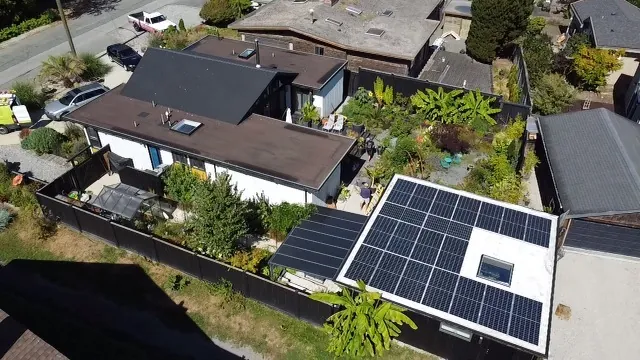
Eligible homeowners can claim $1,000 per kW of installed solar capacity, up to $5,000, and a further $500 per kWh of paired battery storage, up to $5,000 with Peak Saver enrolment. Both are capped at 50% of the installed cost. Commercial and multi unit buildings can claim up to $10,000 on the solar side.
Apply IncentiveCommercial Incentives
Refundable Investment Tax Credits
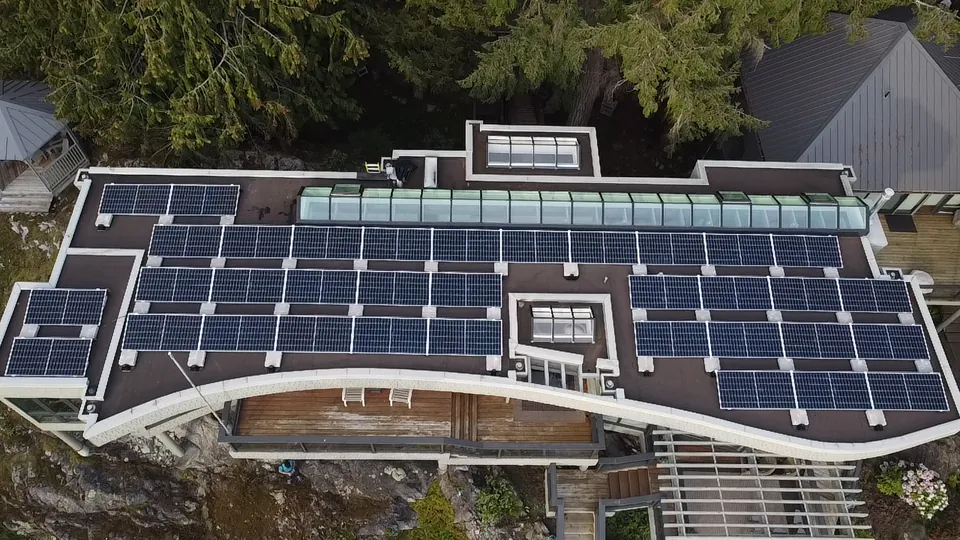
The Clean Technology Tax Credit for taxable entities, provides a 30% refundable credit on the capital cost of eligible solar projects. The Clean Electricity Tax Credit for non-taxable entities, provides a 15% refundable credit on the capital cost of eligible solar projects.
These Tax Incentives, available as of the 1st day of Budget 2023, were deployed to accelerate the uptake of solar by industry. These tax credits are available for new projects and the refurbishment of existing solar.
Accelerated Capital Cost Allowance
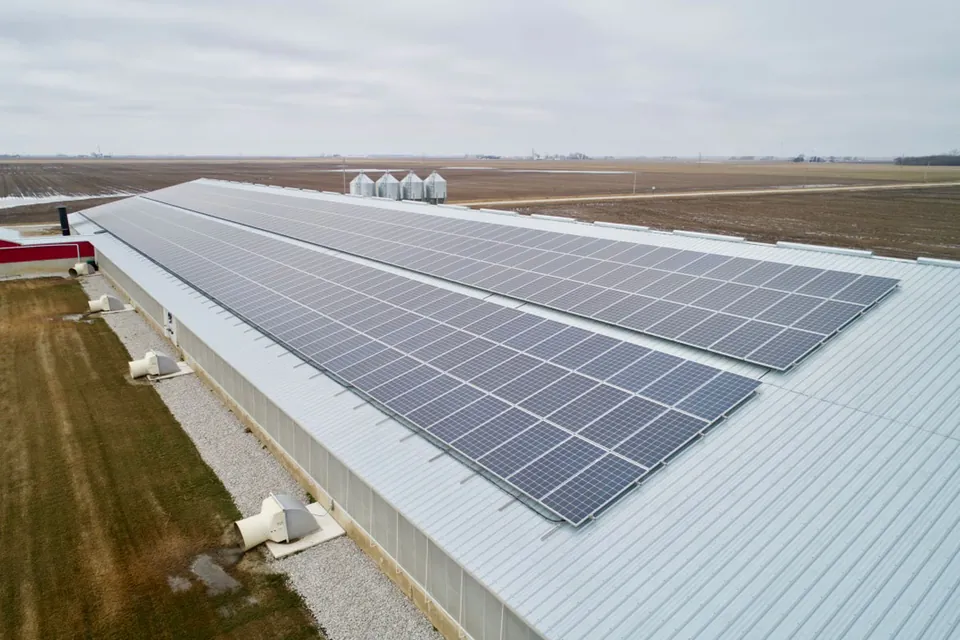
100% taxable write off for Businesses on all solar equipment
Class 43.1 clean energy equipment acquired since 1 January 2025 gets a full 100% first year write off, as long as it is available for use before 2030. It steps down after that.
What replaced BC Hydro net metering?
Net metering, Rate Schedule 1289, closed to new customers on 1 July 2026. New solar customers go onto self generation service, Rate Schedule 2289, where BC Hydro buys your excess generation at 10 cents per kWh and credits you every billing cycle rather than once a year. Existing net metering customers stay on their rate for ten years from their service start date.
Find out NowThe cost of solar
Energy consumers reasons for going solar can vary from financial savings benefits to environmental impact. That being said, microinverters work in runs of 12-14 panels. That provides the basis for a smaller (12 panel), average (24 panel) and larger system size (36+ panel). Your system size may be limited by the capacity of your electrical panel and service, despite having ample South facing roof space. All roofs are different and aesthetics matter, so the variation of systems is vast. You can be assured that every design and proposal is tailored to your property specifically. Some homes receive better East-West exposure than others, these are just some of the factors we are taking into consideration when we do our site inspection.
Ultimately, despite your system size you will begin saving from the day your system is installed.
Get Connected with a pure solar expert
Get started by connecting with one of our trusted solar installation specialist